
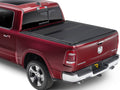
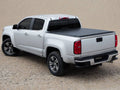
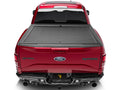
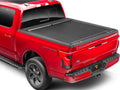


A headache rack stops a load coming through the back window. A tonneau cover keeps the bed dry and out of sight. Running both is common and usually straightforward, with one recurring clash worth knowing about first.
Can You Fit Both?
On most full-size trucks, yes. The rack stands at the bulkhead and the cover starts just behind it, so they occupy different parts of the bed. The clash is at the bed rail, where the cover's front clamps and the rack's mounting feet both want the first few inches of rail behind the cab.
Where the Conflict Happens
Rack feet usually sit in or beside the stake pockets at the very front of the rail. Cover front rails clamp to the same area. If both land on the same inch, one of them is going on crooked or not at all.
The fix is normally simple once you know: rack feet mounted inboard or shifted a fraction rearward, or a cover whose front clamps sit further back. Working that out before ordering is far easier than after.
The second place it shows up is the seal. A cover relies on continuous contact along the front rail, and a rack foot passing under that line leaves a gap water will find. If the foot has to sit there, it needs to sit under the rail rather than across it.
Measure These Four Things
- Distance from the cab to the front edge of the cover's mounting rail.
- The rack foot footprint and where its bolts or clamps land on the rail.
- Height of the rack feet, since a foot sitting proud can hold the cover's seal open.
- Clearance for the cover to fold or roll fully back without touching the rack.
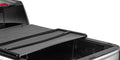
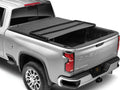
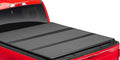
Hard folding covers stack toward the cab when open, so they need more room in front than roll-up covers do. That is the case where a rack most often gets in the way.
Which Rack Style Suits a Covered Bed
Any of them physically fit, but the reason for the rack changes with a cover fitted. A covered bed cannot carry a load that sticks forward into the cab, so protection from shifting cargo matters less and rear visibility matters more. That argues for an open frame or half bar rack rather than a hex or louvered one.
If you carry long material above the bed on a rack while the cover stays closed underneath, the calculation swings back the other way and a fuller frame makes sense.
Accessories change the answer too. Racks are a convenient place to mount work lights, a rear facing light bar or a set of tie down points, and a frame with more structure gives more places to put them. If that is why you want the rack, choose the style for the mounting surface rather than for the cargo protection.
Ordering Both Together
Choose the cover style first, since its front rail position is the fixed constraint, then pick a rack whose feet clear it. See headache racks and cab protectors alongside tonneau covers, and low profile tool boxes if a box has to join them.